 Call us (480) 661-0384
In this guide
A home solar system has no fuel and almost no moving parts. It simply turns light into electricity. Here is how that happens, step by step, from the roof to your outlet.
Solar cells turn light into electricity
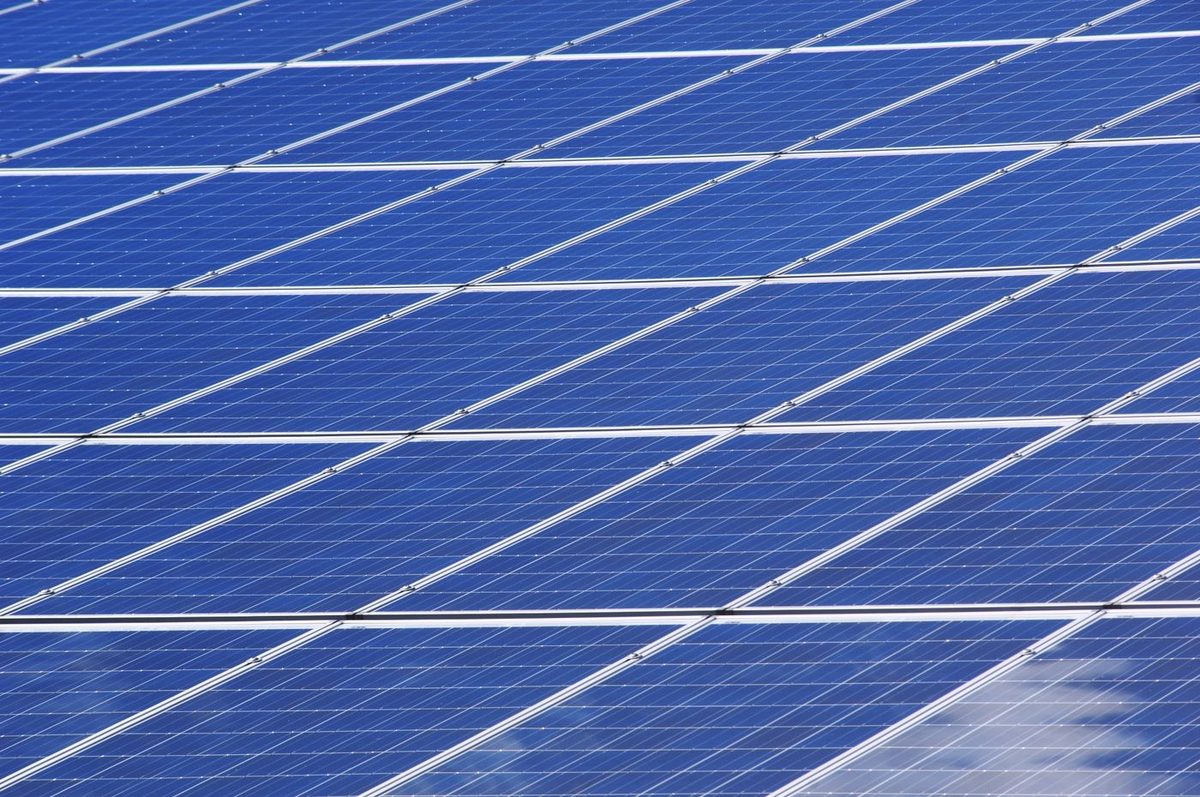
A solar panel is a set of solar cells, usually made of silicon. When sunlight hits a cell, it knocks electrons loose. The cell is built so these electrons flow in one direction, and that flow is an electric current. This is called the photovoltaic effect.
One cell makes only a small amount of power, so a panel connects many cells together. A home system then connects many panels.
What is inside a solar panel
A solar panel is a sandwich of simple parts. Dozens of silicon cells sit side by side and are wired together, so that the small amount of electricity from each cell adds up. The cells are sealed behind a sheet of tempered glass on the front and a protective backing on the rear, and an aluminum frame holds everything together and gives you something to mount.
On the back, a small junction box collects the wiring and connects the panel to the next one in the row. There are no moving parts and nothing to refuel, which is one reason panels can keep working for decades.
The inverter makes the power usable
Panels produce direct current (DC). Your home and the grid use alternating current (AC). An inverter converts one into the other. You can read more about the main types in our guide to solar inverters.
Where the electricity goes
The electricity from your panels first powers whatever is running in your home. If the panels make more than you use, the extra can flow to the grid or charge a battery. When the sun is down, you draw from the battery or the grid as usual.
How you are credited for the electricity you send to the grid depends on your utility. See net metering explained.
From the inverter to your electrical panel
Once the inverter has turned the electricity into the kind your home uses, it flows to your main electrical panel, the same box that feeds your lights and outlets. Your appliances use the solar power first, because it is the closest source.
If your panels make more than the house needs at that moment, the extra goes out to the grid through your meter. If they make less, or nothing at night, the grid fills the gap. That is why a solar home stays connected to the utility in most cases, and why the rules your utility sets for exported power matter. We cover that in our guide to net metering.
What affects how much you produce
Output depends on the amount of sunlight, the direction and tilt of the panels, shade, temperature and the quality of the equipment. A design that takes these into account is what we do in every system sizing.
What a typical day looks like
Production follows the sun. It starts in the early morning, climbs toward a peak around midday and falls away through the afternoon. On a clear day the curve is smooth and easy to read in your monitoring app. Clouds, dust and shade show up as dips.
In a hot place such as the Phoenix area, household demand often peaks in the late afternoon and early evening, when the air conditioning works hardest and the panels are already past their best. That gap between when you make power and when you use it is the reason homeowners look at batteries, at panels that face west, and at utility rates that vary through the day.
A system that watches itself
Most systems come with an app or website that shows how much your panels produce in real time and over the years. It is the easiest way to notice if something is not right.
The short version
- Panels turn sunlight into direct current electricity with no moving parts.
- An inverter converts it to the alternating current your home uses.
- Your home uses solar power first and the grid covers the rest.
- How much you produce depends on sun, shade, direction, tilt and temperature.
- A monitoring app lets you see production day by day.